In the turn of the 20th century, the gender norms were strict, and the actions men and women were allowed to take drastically differ. Juan Rulfo’s Pedro Paramo gives the reader an inside look at the gender roles of rural Mexican culture, and its definitely anything but fair.
Throughout the novel, the men are typically portrayed as power-hungry, violent, tyrannic, rapists. Pedro Paramo is literally the source of Comala’s power, and he let the town die out of spite. Miguel is just as corrupted of a character as Pedro, if not succeeding his own father. The men in this novel serve the important roles of the antagonists, the anti-heroes. Even the holiest character, Father Renteria, is driven by financial gain, and even ends up going to another town to be absolved of his own sins. The men in Pedro Paramo are ultimately portrayed as weak, not being able to stand up for themselves unless they have the power to do so.
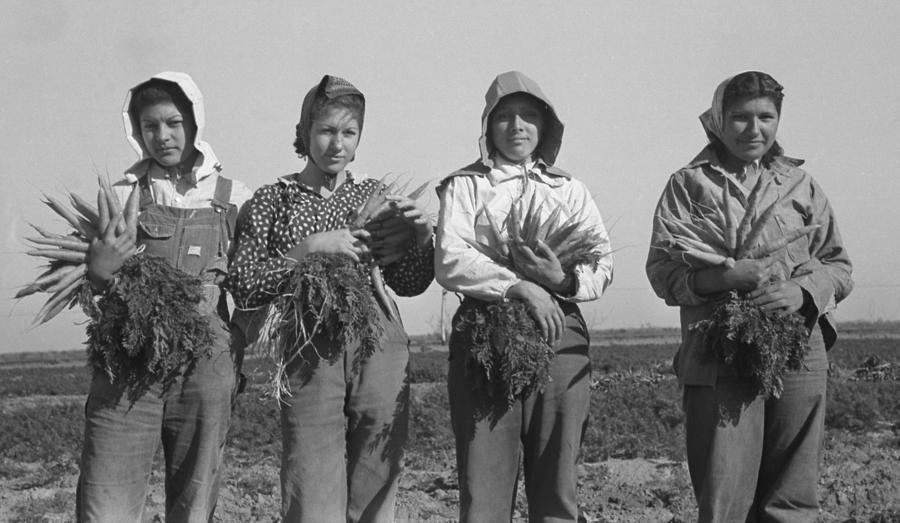
The women in this novel are the epitome of suffrage. The characters that Juan encounters in the novel are predominately women, and these women all have their cross to bear. Save maybe Susana and Justina, we get a bleak, depressing perspective from almost every major and minor woman in the novel, especially Damiana and Dorotea.
Dorotea is the narrator of the second half of the novel, and even though she is a beggar and walks the streets looking for charity, she wants nothing more than to be a mother, up to and including making a “fake baby” to coddle. At Miguel’s wake, she confesses to helping him procure women to have sex with, with or without force. Dorotea feels obligated to go against her own gender, simply to gain some money. Dorotea’s various names also add important clues about her character. Dorotea also mentions to Juan how in her bad dream, she was told by angels she has “the heart of a mother, but the womb of a whore”. Rulfo’s use of Dorotea shows a stereotype of how women, especially in the early 20th century, are supposed to instinctively be mothers.
Damiana is one of the most pitiable characters in Rulfo’s novel. She is a victim of rape (as many women in this novel are) but Damiana’s mentality is one of “Stockholm Syndrome” victims, as she not only accepts her rape, but even assists her attacker find other women to other women. Towards the end of the novel, Pedro is caught attempting to climb into Margarita’s window. Instead of screaming, or calling someone to stop him, she states that “If he’d just let me know, I would have told Margarita that the patron had need of her tonight, and he wouldn’t have had the bother of leaving his bed” (p.105).
The men and women in this novel all face hardship, but the nucleus of most of the women’s troubles are due to the very men they idolize or assist. The women feel obligated to obey and conform to the wishes of the men, not only because of social gender norms of the time period, but also due to the fact that they felt like they had no other choice. The men sought power, while the women mainly sought survival.
- Peden, Margaret Sayers, trans. Juan Rulfo’s Pedro Páramo. Grove Press, 1994.
 Reflections